


What to do the moment your carpet gets wet
Here in coastal North Carolina, we know water. Whether it's a summer storm rolling in off the Atlantic, a burst pipe on a January night, or a washing machine that decided to call it quits mid-cycle, wet carpet is one of those home emergencies that can go from bad to catastrophic very quickly. And in a humid climate like Wilmington's, mold doesn't wait around. It moves fast.
At Barefoot Flooring, Inc., we've spent over 20 years helping families across Castle Hayne, Leland, Hampstead, and the surrounding communities with all things flooring. We've seen what happens when wet carpet is handled well and when it isn't. So before you grab a stack of beach towels and hope for the best, here's what you actually need to know.
Tip 1: Act within the first 24 to 48 hours
This is the window that matters most. Mold spores can begin to take hold in as little as 24 hours in warm, humid conditions. The moment you discover wet carpet, the clock starts. Don't wait to see if it dries on its own. Move furniture, pull up area rugs, and start the drying process immediately. Every hour you wait makes the job harder and the risk greater.
Tip 2: Remove standing water first
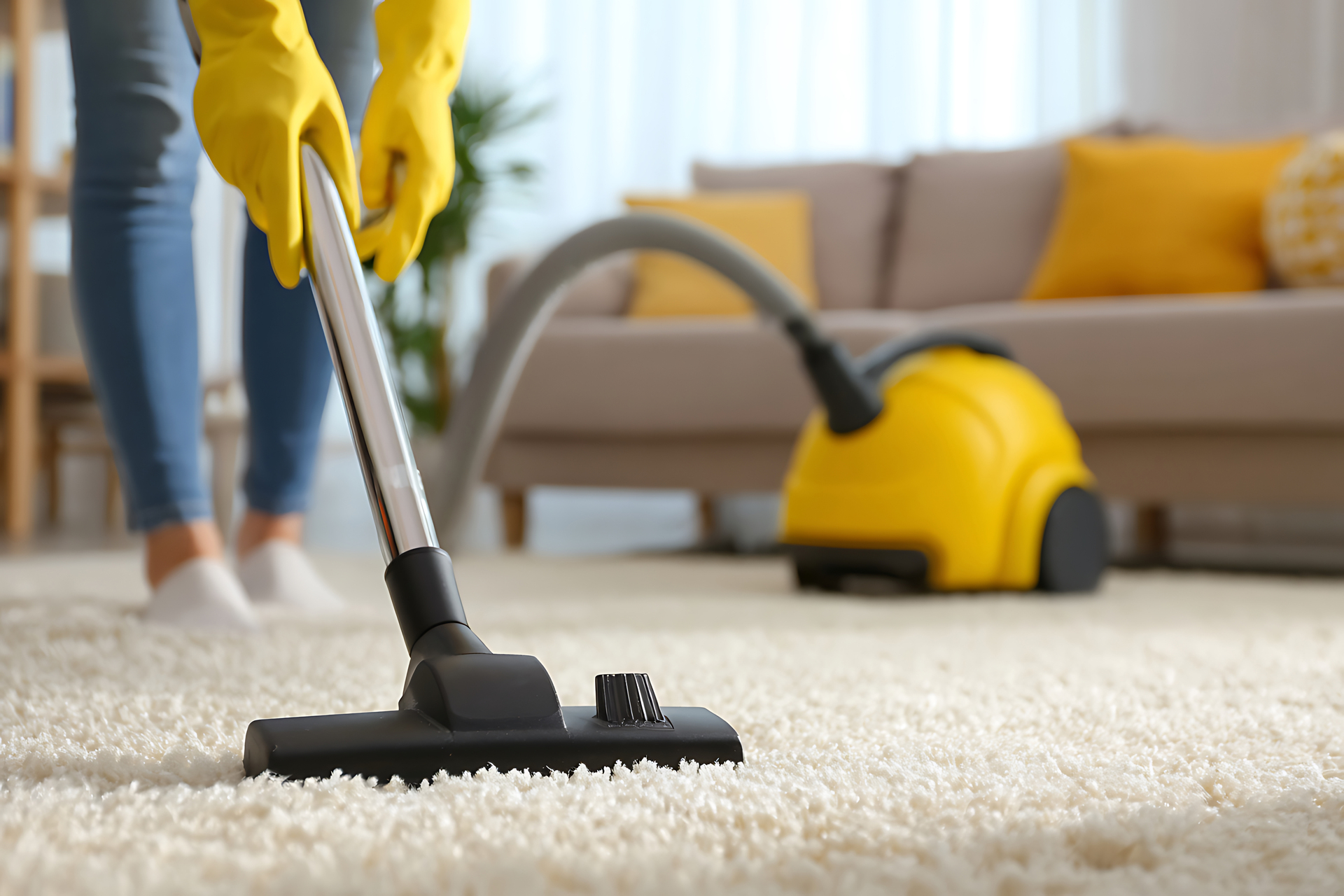
Before any drying equipment comes out, get rid of as much water as possible. A wet/dry shop vac is your best friend here. Work in slow, overlapping passes across the carpet to pull up as much moisture as you can. Do this multiple times. The more water you extract now, the less work your fans and dehumidifiers have to do later.
Tip 3: Bring in airflow from every direction
Fans alone won't cut it if they're just moving humid air around the room. Position box fans to push air across the carpet surface and, if possible, open windows on opposite sides of the room to create cross-ventilation. The goal is to move dry air in and wet air out. In a Wilmington summer, though, opening windows can work against you if the outdoor humidity is high, so read the conditions carefully.
Tip 4: Run a dehumidifier continuously
This step is non-negotiable in a coastal climate. A dehumidifier pulls moisture from the air itself, which speeds up evaporation from the carpet and padding below. Keep it running around the clock and empty the reservoir regularly. If you don't own one, they're widely available to rent from local home improvement stores.
Tip 5: Lift the carpet to dry the padding underneath
Here's the part most homeowners skip, and it's where mold gets its foothold. The carpet padding beneath your floor covering absorbs water like a sponge and takes much longer to dry than the surface above it. Pull back the carpet from the edges of the room and prop it up so air can circulate underneath. In many cases, especially after significant flooding, the padding will need to be replaced entirely regardless of how well you dry the carpet on top. It's simply not worth the risk of keeping saturated padding in place.
Tip 6: Use baking soda to absorb lingering moisture and odor
Once the bulk of the moisture is out, sprinkle a generous layer of baking soda across the carpet surface and let it sit for several hours, or overnight if you can manage it. It draws out residual dampness and neutralizes that musty smell that often settles in after water damage. Vacuum it up thoroughly when done. This won't replace proper drying equipment, but it's a helpful step once the heavy lifting is finished.
Tip 7: Know when to call in professionals
There are situations where the damage runs too deep for a DIY approach to fully address. If the water source was contaminated, if the carpet has been wet for more than 48 hours, or if you're noticing discoloration, a persistent odor, or visible mold growth, it's time to call a professional remediation service. Trying to salvage carpet that has reached that point can put your family's health at risk.
And if the damage is beyond saving, that's not necessarily a loss. Our team updates our flooring tips and trends blog regularly with guidance on what to do next, and for areas in your home that see repeated moisture exposure, options like luxury vinyl flooring offer a completely waterproof alternative worth considering for the future. When the time comes to replace, our carpet store in Castle Hayne carries a wide selection of carpet with modern, moisture-resistant fiber options that stand up to real life along the Carolina coast.
When it's time for a fresh start, we're here for you
Water damage has a way of forcing decisions you weren't quite ready to make. If your carpet has reached the end of the road, the flooring experts at Barefoot Flooring, Inc. are here to help you find the right replacement for your home and your life. Stop by our showroom or learn more about who we are and let us walk you through what comes next.


