


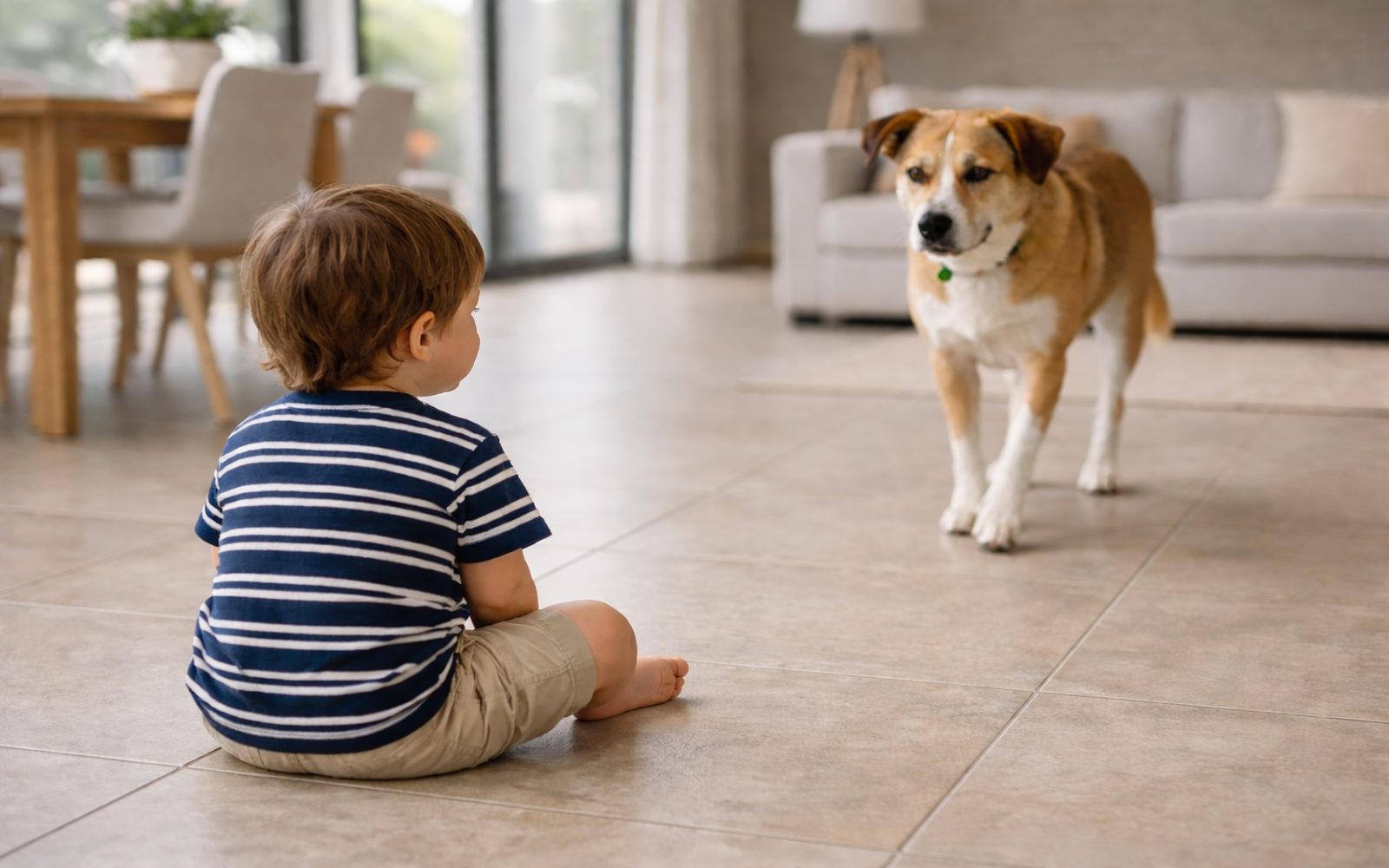
Tile flooring has long been a favorite for busy households thanks to its durability, easy maintenance, and timeless appeal. In homes with kids and pets, however, performance matters just as much as appearance. One of the most important—but often overlooked—factors is slip resistance. Tile flooring slip ratings help determine how safe a surface feels underfoot, especially in areas where spills, splashes, or muddy paws are part of everyday life.
Understanding what these ratings mean makes it easier to choose tile that supports both an active household and peace of mind.
Why slip resistance matters more in family homes
Kids tend to run before thinking, and pets rarely slow down when excitement hits. Smooth flooring that looks beautiful in a showroom can become risky when wet or dusty at home. Bathrooms, kitchens, entryways, and laundry rooms are especially vulnerable to slips, but even living areas can pose challenges during rainy seasons or after cleaning.
Slip ratings offer a way to evaluate how tile performs in real-world conditions—not just how it looks on display.
Understanding COF and what it measures
Most tile slip ratings are based on something called the Coefficient of Friction, commonly shortened to COF. This number reflects how much resistance a tile surface provides when something moves across it. In simple terms, higher numbers indicate more grip underfoot.
There are two main testing methods homeowners may encounter:
Static COF, which measures resistance when an object is stationary
Dynamic COF (DCOF), which measures resistance when motion is already happening
Today, DCOF is the more widely accepted standard because it better reflects how people actually move across floors.
What DCOF ratings mean in practical terms
For interior residential spaces, a DCOF rating of 0.42 or higher is generally recommended for areas that may get wet. This threshold helps reduce slip risk without sacrificing comfort or design flexibility.
Dry areas like bedrooms or formal dining rooms may not require the same level of slip resistance, but family homes often benefit from consistent safety across connected spaces—especially in open floor plans.
Tile finishes and how they affect traction
Slip resistance isn’t just about numbers. The finish and texture of tile play a major role in how it feels underfoot.
Polished tile offers a sleek, reflective surface but typically provides the least traction.
Matte finishes balance appearance and grip, making them popular for family-friendly interiors.
Textured or structured tile provides enhanced traction, especially when wet, and works well in entryways, mudrooms, and bathrooms.
Selecting tile from a curated tile flooring selection makes it easier to compare finishes side by side and understand how each option performs in daily use.
Porcelain vs ceramic tile for slip resistance
Both porcelain and ceramic tiles can be slip-resistant, but porcelain often has an edge for family homes. Its denser composition allows for more refined surface textures without compromising durability. Many porcelain tiles are designed specifically with slip ratings suitable for wet interior spaces, while still maintaining a clean, modern look.
Ceramic tile can also be a great option when chosen carefully, particularly in lower-moisture areas where added texture isn’t as critical.
Matching slip ratings to specific rooms
Different areas of the home benefit from different levels of traction:
Bathrooms and laundry rooms perform best with higher DCOF-rated tiles and matte or textured finishes.
Kitchens benefit from slip resistance that handles spills without feeling rough underfoot.
Entryways and mudrooms need traction that stands up to water, dirt, and constant foot traffic.
Living spaces often balance moderate slip resistance with comfort and aesthetics.
Professional guidance helps align slip ratings with how each space is actually used.
Slip resistance doesn’t mean sacrificing style
A common misconception is that safer tile options look industrial or rough. Modern tile manufacturing has come a long way, offering wood-look, stone-look, and decorative tiles that meet slip resistance guidelines while maintaining visual warmth.
Exploring professional tile installation services also ensures that grout selection, layout, and transitions further support safety and long-term performance.
Maintenance and long-term safety considerations
Even the best slip-resistant tile can lose effectiveness if not properly maintained. Soap residue, wax buildup, or incorrect cleaning products can reduce traction over time. Regular cleaning with manufacturer-approved products helps preserve the surface texture designed to keep floors safer.
Routine inspections also allow small issues—like worn grout or uneven tiles—to be addressed before they become hazards.
Choosing tile that supports everyday living
Slip ratings are not about overengineering a home—they’re about aligning flooring choices with how a space is truly lived in. For families with kids and pets, this extra layer of consideration helps reduce accidents while still enjoying the durability and beauty tile flooring provides.
For help selecting tile flooring that supports safer, more comfortable living for active households, connect with our flooring experts today. Schedule a consultation or visit our showroom by reaching out through our contact page to get started with confidence.


